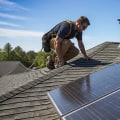
In the quest for sustainable energy, solar roofs have emerged as a beacon of innovation and environmental responsibility. However, just like any other system, they require regular attention to ensure optimal performance.
Inspecting for damage or debris
is a crucial step that many homeowners overlook, often leading to decreased efficiency and costly repairs down the line. Maintaining your solar roof is not just about installation; it’s about preserving your investment and safeguarding your home. As the seasons change, so too do the challenges posed to your solar panels.From the accumulation of leaves and dirt to the potential impacts of severe weather, your solar roof faces a variety of threats that can hinder its effectiveness. By adopting a proactive approach to maintenance, you can enhance the longevity of your solar system and maximize its energy output. This article will guide you through essential maintenance tips tailored specifically for solar roofs, with a focus on the importance of regular inspections. We will explore how From the accumulation of leaves and dirt to the potential impacts of severe weather, your solar roof faces a variety of threats that can hinder its effectiveness. By adopting a proactive approach to maintenance, you can enhance the longevity of your solar system and maximize its energy output. This article will guide you through essential maintenance tips tailored specifically for solar roofs, with a focus on the importance of regular inspections. We will explore how inspecting for damage or debris can help you identify minor issues before they escalate into major problems. Whether you're a seasoned solar panel owner or new to this green technology, understanding how to keep your system in top shape is vital.
Join us as we delve into the best practices for maintaining your solar roof and ensuring it continues to shine bright for years to come.
Inspecting for damage or debris
on solar roofs is essential for maintaining the efficiency and longevity of solar panels. Regular inspections help homeowners identify potential issues before they escalate into costly repairs. Various types of damage can occur to solar roofs, including leaks, cracks, and panel misalignment. Leaks can develop due to improper installation or wear and tear over time.They not only compromise the integrity of the roof but can also lead to water damage inside the home. Cracks in the solar panels can occur from extreme weather conditions, impacts from falling debris, or even improper handling during installation. Panel misalignment can result from settling structures or poor installation, leading to decreased energy production as panels are not optimally positioned to capture sunlight. Debris, such as leaves, dirt, or snow, can obstruct sunlight from reaching solar panels, significantly reducing their energy output. When solar panels are covered with debris, their ability to convert sunlight into electricity is diminished.
For instance, a thick layer of snow can completely block sunlight, rendering the panels ineffective until the snow melts or is removed. Similarly, accumulated dirt and leaves can create shaded areas on the panels that inhibit performance. Homeowners often underestimate how even small amounts of debris can impact energy production; thus, it is crucial to regularly check for and remove any obstructions. Conducting a thorough inspection of your solar roof is straightforward but requires attention to detail. Begin by gathering essential tools such as a soft brush or broom for cleaning debris, a hose for rinsing off dirt, and a ladder for accessing hard-to-reach areas.
While inspecting, focus on specific areas like the edges of the solar panels where leaves tend to accumulate and check for any visible cracks or signs of wear on the panels themselves. It is also important to examine the mounting hardware and connections to ensure everything is secure and functioning properly. Real-life examples highlight the importance of these inspections. One homeowner discovered that their solar panels had multiple small cracks due to hail damage after a storm. These cracks were initially minor but led to a significant drop in energy output over time.
After replacing the damaged panels, they noticed a marked improvement in their energy efficiency. In another case, a homeowner found that debris buildup from nearby trees had reduced their solar production by nearly 30%. By regularly cleaning and inspecting their system, they were able to maintain optimal performance and avoid costly repairs. There are also common misconceptions about solar roofing maintenance that need addressing. Many homeowners believe that once solar panels are installed, they require little to no maintenance. After replacing the damaged panels, they noticed a marked improvement in their energy efficiency. In another case, a homeowner found that debris buildup from nearby trees had reduced their solar production by nearly 30%. By regularly cleaning and inspecting their system, they were able to maintain optimal performance and avoid costly repairs. There are also common misconceptions about solar roofing maintenance that need addressing. Many homeowners believe that once solar panels are installed, they require little to no maintenance.
However, this is far from the truth; proactive care is crucial to ensure optimal performance and longevity. Neglecting regular inspections can lead to undetected issues that become more expensive to fix over time. By adopting a routine inspection schedule and addressing minor repairs promptly, homeowners can protect their investment in solar technology. In conclusion, being diligent about inspecting for damage or debris on solar roofs not only enhances energy efficiency but also extends the lifespan of solar panels. Homeowners should embrace regular maintenance as part of their commitment to harnessing renewable energy efficiently while safeguarding their financial investment.
Impact of Debris on Solar Efficiency
Solar panels are designed to harness sunlight efficiently, but their effectiveness can be significantly hampered by debris accumulation.Leaves, dirt, and snow are common culprits that can obstruct sunlight from reaching the solar cells, ultimately reducing energy output. Research indicates that even a small layer of dirt can decrease solar panel efficiency by up to 25%. When snow covers the panels, the energy loss can be even more drastic, with some studies showing reductions of over 50% in energy production until the snow is cleared. The impact of this debris is not just theoretical; it has real-world implications for homeowners. For instance, a study conducted in regions with high levels of particulate matter found that dirty solar panels could lead to an annual energy loss of about 30% compared to clean panels.
This translates to hundreds of dollars in lost savings each year, making it clear that maintaining clean and unobstructed solar panels is essential for maximizing energy efficiency and protecting your investment in solar technology.
Types of Damage to Look For
When it comes to maintaining your solar roof, it is crucial to be aware of the various types of damage that can occur. Regular inspections help in identifying these issues early, ensuring the longevity and efficiency of your solar panels. Here are some key types of damage to look for:Hail Damage: Hail can cause significant physical damage to solar panels. The impact from hailstones can create cracks or dents in the panel surface, compromising its ability to absorb sunlight effectively.During inspections, look for any visible dents or cracks that could indicate hail damage.
Wind Uplift
: Strong winds can lead to wind uplift, where panels may become dislodged or detached from their mounting systems. This can result in misalignment and reduced efficiency. Check for any loose panels or gaps between the panels and the roof structure that may suggest wind uplift.Wear from UV Exposure
: Over time, exposure to ultraviolet (UV) rays can degrade the materials used in solar panels. This wear and tear may manifest as discoloration or a reduction in performance.Inspect the surface of the panels for any signs of fading or discoloration that could indicate UV damage. By being vigilant and inspecting for these types of damage, homeowners can ensure that their solar roofs remain in top shape and continue to perform optimally.
Understanding Incentives for Solar Maintenance
As the adoption of solar energy systems continues to rise, it is essential for homeowners to understand the various incentives available for maintaining their solar roofs. Regular maintenance not only ensures optimal performance but can also be financially beneficial. Many states and local governments offer rebates and tax credits specifically for solar maintenance. These incentives can significantly reduce the cost of routine inspections, cleaning, and necessary repairs. Homeowners should research what programs are available in their area, as these can vary widely. In addition to government incentives, some utility companies provide programs that incentivize regular maintenance of solar panels.By participating in these programs, homeowners can receive financial support, which may cover a portion of their maintenance costs, making it easier to keep their systems in top condition. Furthermore, investing in regular maintenance can lead to long-term savings. Well-maintained solar panels operate more efficiently, potentially increasing energy production and reducing electricity bills. In some cases, the initial costs associated with inspections and repairs can be offset by these savings over time. To maximize these benefits, homeowners should stay informed about available incentives and take advantage of them. Consulting with local solar providers can provide valuable insights into which programs are applicable and how to apply for them.
Eco-Friendly Practices for Maintenance
Maintaining your solar panels doesn't have to come at the expense of the environment.In fact, there are several eco-friendly methods you can adopt to ensure your solar roof remains in optimal condition. First and foremost, consider using natural cleaning solutions. Instead of harsh chemicals that can harm the environment, opt for a mixture of water and vinegar or biodegradable soap. These solutions are effective in removing dirt and debris without posing a risk to surrounding plants and wildlife. Another great practice is to utilize a soft-bristle brush or a squeegee when cleaning your solar panels.
This minimizes the risk of scratching the surface while ensuring a thorough clean. Additionally, using a water-efficient cleaning system, such as a low-pressure hose or a bucket, can help conserve water during the cleaning process. For those who prefer a hands-off approach, consider installing a rainwater collection system. This system can naturally wash away dirt and debris, reducing the frequency of manual cleaning and promoting sustainability. Lastly, keeping an eye on local wildlife is important. Be mindful of birds or other animals that may nest on or around your solar panels.
Implementing bird deterrents can help maintain your solar roof without harming local ecosystems. By adopting these eco-friendly maintenance practices, not only will you enhance the efficiency and lifespan of your solar panels, but you'll also contribute to a greener planet.
Maintaining Your Solar Roofing
Maintaining your solar roofing is essential to ensure that your investment continues to perform optimally. Regular inspections for damage or debris are just the beginning of a comprehensive maintenance strategy.Regular cleaning schedules
are crucial, as dirt, dust, and other contaminants can accumulate on the surface of solar panels, obstructing sunlight and reducing energy efficiency. It is recommended to clean your solar panels at least twice a year. Depending on your location, you may need to adjust this frequency.For instance, if you live in an area with frequent dust storms or heavy pollen, more frequent cleaning may be necessary. Use a soft brush or a sponge with mild soap and water to gently scrub the surface of the panels. Avoid harsh chemicals or abrasive materials that could scratch the glass. In addition to regular cleaning, conducting seasonal checks on your solar roofing can help identify potential issues before they become major problems. During these checks, inspect the roof for signs of wear and tear, such as loose or damaged shingles, and check the mounting hardware to ensure everything is secure.
It's also important to clear any debris, such as leaves or branches, that may accumulate around the panels, as this can lead to moisture buildup and mold growth. Consider scheduling a professional inspection annually. Experts can assess the structural integrity of your roof and the performance of your solar panels more thoroughly than a DIY check. They can also help identify any underlying issues that may not be immediately visible. By implementing these maintenance tips alongside regular inspections for damage or debris, you will not only enhance the efficiency and lifespan of your solar panels but also protect your investment in renewable energy.
How to Inspect Your Solar Roof
Inspecting your solar roof is a crucial step in maintaining the efficiency and longevity of your solar panels. Regular checks can help identify damage or debris that could hinder performance.Here’s a step-by-step guide to help you conduct a thorough inspection safely.
1.Safety First:
Before you start your inspection, ensure your safety by wearing appropriate gear. This includes non-slip shoes, gloves, and safety goggles. If you're uncomfortable working at heights, consider hiring a professional.2.Power Down:
Turn off the solar panel system before inspecting. This will prevent any electrical hazards while you're examining the panels.3.Visual Inspection:
Begin with a visual assessment from the ground.Look for any obvious signs of damage or debris, such as broken panels, loose wiring, or accumulation of dirt and leaves.
4.Closer Examination:
If safe to do so, use a ladder to get a closer look at the solar panels. Check for cracks, discoloration, or any physical obstructions that may block sunlight.5.Check the Mounting System:
Inspect the mounting brackets and hardware for rust or looseness. Ensure that the panels are securely attached to prevent any shifting during high winds or storms.6.Cleanliness Matters:
Remove any debris, such as leaves, branches, or bird droppings that might have accumulated on the panels. A clean surface allows for maximum sunlight absorption.7.Monitor Performance:
Keep an eye on your energy output regularly.If you notice significant drops in performance, it may indicate underlying issues that need further investigation.
8.When to Seek Professional Help:
If you identify severe damage or if you're unsure about your findings, it’s best to contact a professional solar technician. They can provide a comprehensive assessment and handle repairs safely. By following these steps, you can ensure that your solar roof remains in top shape, maximizing both efficiency and lifespan while protecting your investment. In conclusion, regular inspections for solar roofing are crucial for ensuring the longevity and efficiency of your solar panels. By inspecting for damage or debris, homeowners can significantly enhance the performance of their solar systems while safeguarding their investment in renewable energy. As the popularity of solar energy continues to rise, it becomes increasingly important for homeowners to take proactive measures in maintaining their solar roofs. Throughout this article, we've explored the various types of damage to look for, the impact of debris on solar efficiency, and effective methods for conducting inspections.By adopting eco-friendly practices and understanding available incentives, you can not only protect your solar investment but also contribute to a sustainable future. We encourage you to take an active role in maintaining your solar systems, as small efforts in regular inspections can lead to significant savings in energy costs over time. Remember, a well-maintained solar roof is key to optimizing your energy production and enjoying the full benefits of your solar investment.